The Quid Probe: A £1 Stress Test That Exposes UK Casino Cashout Friction
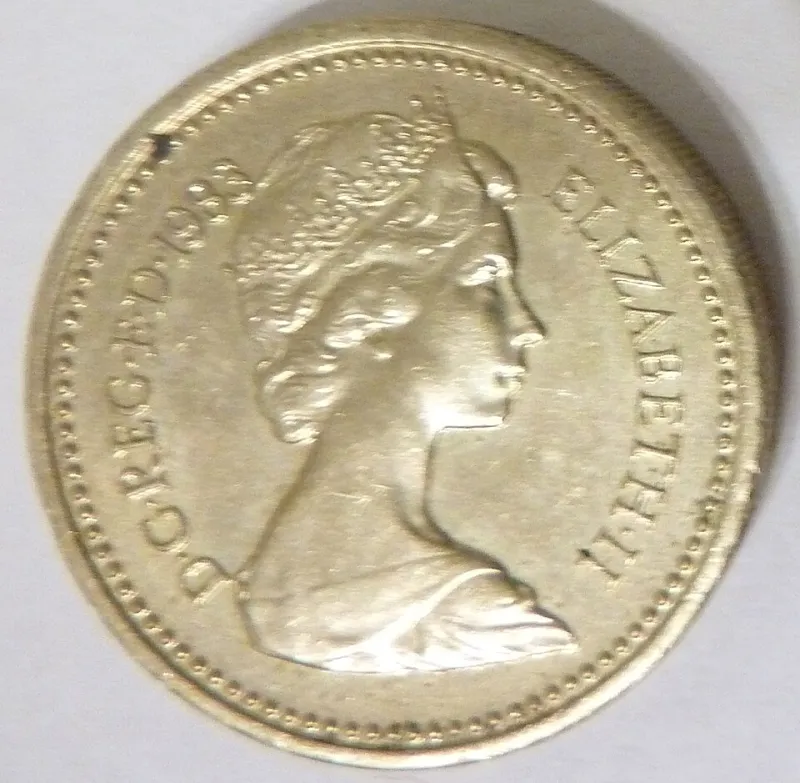
Photo: Abxbay, CC BY-SA 4.0, via Wikimedia Commons
Most UK casino tests are rubbish theatre. You deposit £100, claim a bonus, spin a slot, and learn only that the welcome offer was designed by someone with a spreadsheet and a grudge. The £1 withdrawal test is better. Not because a quid is exciting, but because it is cheap enough to repeat and small enough to expose contempt.
This is the Quid Probe: a plain, copyable stress test for UK casino cashouts. You are not trying to beat the house. You are trying to see whether the house can process a tiny, legitimate withdrawal without turning into a maze of minimum thresholds, fees, pending periods and support scripts. Think of it as a canary in the cashier.
What the test actually measures
It measures friction, not luck. A casino can be generous with bonuses and still be a pain in the arse when your money tries to leave. The Quid Probe checks the boring bits: deposit floors, withdrawal floors, fee schedules, verification timing, pending periods, reversal buttons and whether support can answer a simple question without sending you back to the FAQ.
Important: don't use this as a bonus-abuse trick. If you take a welcome bonus, the T&Cs may require wagering before withdrawal, and that is not the same as a cashout test. Use your own cash, read the rules, and don't pretend a £1 probe is a legal loophole. It is an audit, not an exploit.
The seven-step Quid Probe
- Check the deposit floor before you sign up. If the site says minimum deposit £5 or £10, note it. A casino that won't take £1 has already told you something.
- Deposit £1 using a normal method — debit card, Open Banking or PayPal if offered. Record any fee. Do not deposit more to 'make it worth it'.
- If the site allows a withdrawal without play, request it. If it requires playthrough or a minimum activity level, document that too. Don't invent a workaround.
- Find the minimum withdrawal amount. Is it £1, £5, £10, £20? Does the cashier warn you before you request?
- Complete KYC if asked. Time it. Was verification available before withdrawal, or only after you tried to leave?
- Watch the pending period. Is there a reverse-withdrawal button? Does the casino email you to tempt you back in?
- Contact support once with a simple question: 'Can I withdraw £1, and what fee applies?' Time the reply and note whether they answer or loop you.
The scorecard
Copy this into a note and score each casino out of three. Total is 21.
| Test | 0 points | 1 point | 2 points | 3 points |
|---|---|---|---|---|
| Deposit floor | No £1 option and no clear reason | £1 only via obscure method | £1 allowed with warning | £1 allowed, clear |
| Withdrawal floor | Above £1 with no warning | £1 possible but hidden | £1 stated but awkward | £1 clear and simple |
| Fees | Fee exceeds £1 | Fee is unclear | Small fee stated | No fee for £1 |
| Verification | Only after request, slow | After request, okay | Before request, slow | Upfront, quick |
| Pending/reversal | Long pending plus reverse button | Long pending | Short pending | No reversal temptation |
| Support | No answer or script loop | Slow, vague | Answers but upsells | Clear, quick answer |
| Payment speed | Over a week | 3–7 days | 1–2 days | Same day |
Interpretation: 18–21 is a clean cashier. 13–17 is usable but keep your wits. 8–12 is a faff. 0–7 is a casino treating small players like clutter.
Red flags the £1 test catches
A minimum withdrawal of £20 on a £1 deposit is not automatically crooked, but it should be obvious before you deposit. A fee that swallows the withdrawal is worse. So is a support agent who tells you to 'play a bit more' when you ask to cash out. That is not support; that is retention dressed as help.
The nastiest finding is the reversal button. If your £1 sits in pending for 72 hours with a big 'cancel withdrawal' link, the casino is not really processing your cashout. It is holding the door open and hoping you walk back in. Small amounts make this easier to see because the psychology is stripped bare.
What a good result looks like
A good UK casino does not need to be charity. It can have minimums and checks. But it should state them clearly, apply them consistently and not punish you for asking. If a site lets you deposit £1, request a £1 withdrawal, verify quickly and pay without a fee or a guilt-trip, that is a signal. It means the cashier works when the amount is inconvenient.
That matters because £1 is a proxy. A casino that cannot handle a tiny withdrawal cleanly has no business asking you to trust it with £1,000. The Quid Probe is not proof of virtue. It is a cheap stress test, and cheap stress tests are how you avoid expensive lessons.
The caveats, because of course
Some friction is legitimate. AML and KYC rules exist for a reason, and payment providers charge fees. A £1 withdrawal may genuinely cost a casino more than £1 to process. Fine. The question is whether the cost is disclosed before you deposit, not discovered after you try to leave.
Also, don't repeat the test endlessly across every casino in one sitting. That is not research; that is a hobby with a gambling problem wearing a clipboard. Set a budget, treat the £1 as spent, and stop if it stops being boring.
If gambling is causing you harm, use GAMSTOP, talk to a support service, and take the break. No scorecard is worth your rent.
The bottom line
The Quid Probe is a small, repeatable way to separate casinos that treat small players like customers from those that treat them like clutter. Deposit a pound, ask for it back, and watch what happens. The answer will tell you more than any welcome bonus ever will.